The best 4 GPM pressure washers deliver strong cleaning power with reliable flow for large projects. This guide targets buyers seeking professional-grade debris removal, deck restoration, driveway cleaning, and surface preparation. It highlights models suited for contractors, homeowners with frequent heavy-duty needs, and multi-surface cleaners. Below you’ll find five top picks with clear pros, best-use scenarios, and practical cautions to help you decide.
Quick reference table
| Product | Brand | Key Strength | Best For |
|---|---|---|---|
| Simpson PowerShot 4400 PSI | SIMPSON | 4.0 GPM, AAA pump, portable frame | Contractors, decks and wood prep |
| Westinghouse WPX4400 | Westinghouse | 4.2 GPM, 420cc engine | Driveways, siding, large surfaces |
| IvyBess Professional 4200 PSI | IvyBess | 4.0 GPM, 212cc engine | General heavy-duty home cleaning |
| Steupoek 4200 PSI 32ft Hose | Steupoek | 4.0 GPM, 32ft hose | Patios, driveways, vehicles |
| Steupoek 4200 PSI 25ft Hose | Steupoek | 4.0 GPM, 25ft wheels | Small-to-medium cleaning zones, mobility |
Simpson PowerShot 4400 PSI Gas Pressure Washer
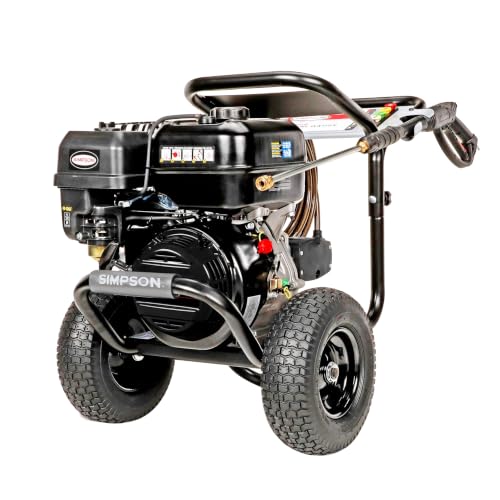
Features: 4400 PSI at 4.0 GPM with a CRX 420cc premium engine, AAA industrial triplex plunger pump, thermal relief, and PowerBoost pressure at the nozzle. Built on a welded steel frame with powder-coated finish and 13-inch pneumatic tires for mobility on uneven terrain.
Best for: Contractors and professionals focused on deck cleaning, wood restoration, and paint preparation. Why selected: Combines high pressure and robust pump design with durable portability for job sites. Limitation: Heavier unit may be less suitable for small properties or frequent indoor use.
Westinghouse WPX4400 Gas Pressure Washer

Features: 4400 PSI and 4.2 GPM with a 420cc Westinghouse OHV engine, a triplex brass head pump with thermal relief, a 50-foot hose, and a non-marring jacket. The hose resists kinks and is designed for surface cleaning and graffiti removal tasks.
Best for: Homeowners and small contractors needing extensive reach and reliable durability. Why selected: Strong overall performance, long hose, and surface-friendly hose jacket. Limitation: Not ideal for California markets if California-only regulations apply to certain models.
IvyBess Professional 4200 PSI Gas Washer

Features: 4200 PSI max with 4.0 GPM, 212cc engine, 7HP, 10″ wheels, and a 33-foot hose with five quick-connect nozzles. It includes an optional foam bottle for detergent application and is EPA/CARB compliant.
Best for: Home improvement enthusiasts tackling driveways, fences, and vehicle cleaning. Why selected: Combines strong cleaning power withMobility and versatile nozzle options. Limitation: Some users may prefer larger fuel tanks for longer continuous use.
Steupoek 4200 PSI 32ft Hose Gas Washer

Features: 4200 PSI at 4.0 GPM, a 212cc 7HP engine with recoil start, and a 32-foot hose with five nozzles (0°, 15°, 25°, 40°, and soap). Includes a 1L soap tank for detergents and is designed for heavy-duty outdoor cleaning.
Best for: Homeowners and light-contractors needing strong power with a longer hose for larger outdoor areas. Why selected: Good balance of power, hose length, and nozzle versatility. Limitation: Heavier operation may require storage space and handling care.
IvyBess 4200 PSI Gas Washer (Second IvyBess Entry)

Features: 4200 PSI max, 4.0 GPM with 212cc engine, 33-foot hose, five nozzles, and twin 0.8L detergent tanks with independent control. CARB compliant and designed for multi-surface cleaning.
Best for: Users needing dual detergent capability and flexible nozzle options for diverse cleaning tasks. Why selected: Detergent flexibility adds efficiency on large surfaces. Limitation: Similar to other mid-size gas washers—fuel management is a consideration.
Buying Guide
What should I prioritize in a 4-GPM pressure washer?
Look for a reliable triplex pump, a robust frame, and durability features like corrosion-resistant coatings. A slightly higher GPM (4.2 or so) can improve cleaning speed on large surfaces. Ensure the engine is proven and spare parts are accessible in your region.
What nozzle options matter most?
Five-nozzle sets (0°, 15°, 25°, 40°, and soap) cover most cleaning jobs. A soap/detergent option is useful for grime and mold. Quick-connect nozzles save time and reduce misalignment during tasks.
How long can I run it before refueling or cooling down?
Gas-powered models with a 420cc engine typically require periodic refueling during long sessions. Look for a design with thermal relief and good heat management to prevent overheating during continuous use.
Is hose length important?
Longer hoses, like 50 feet, increase reach for large properties but add weight. Shorter hoses are lighter but require more repositioning. Choose based on your typical job footprint and maneuverability needs.
What about portability and storage?
Wheeled models with sturdy frames and pneumatic tires are easier to move on uneven ground. Consider wheel size and overall unit weight if you frequently transport the washer between sites.
Safety and compliance
Verify CARB and EPA compliance if required by your location. Ensure recoil-start systems are easy to use and that the unit has proper safety features, including thermal relief and shutdown protections.
What is the best choice for different buyers?
- Contractors needing serious power and durability: Simpson PowerShot or Westinghouse WPX4400.
- Homeowners with extensive outdoor cleaning: IvyBess or Steupoek models provide strong power with practical nozzle options.
- Limited storage or mobility concerns: Steupoek’s smaller-wheel or shorter-hose configurations can improve maneuverability.
Quick comparison at a glance
- Best for professional deck prep: Simpson PowerShot
- Best for surface-wide cleaning: Westinghouse WPX4400
- Best for detergent versatility: IvyBess Professional
- Best long-reach option: Steupoek 32ft hose
- Best compact mobility: Steupoek 25ft hose
Frequently asked questions
- What does 4 GPM mean for cleaning speed? Answer: It indicates the water flow rate; higher GPM combined with PSI improves real-world cleaning speed and efficiency on large surfaces.
- Are gas-powered washers harder to start than electric ones? Answer: Some models use recoil-start engines; most offer straightforward starting procedures, but cold weather can affect ignition.
- Is a higher PSI always better? Answer: Not always. PSI is important for stubborn stains, but GPM affects wash-through and surface coverage. Choose a balance for your tasks.
- Can I use detergent with any 4-GPM washer? Answer: Many models include a soap tank or compatible nozzles; confirm tank capacity and compatibility with detergents.
- Do these models come with warranties? Answer: Warranty terms vary by brand and model; check the product page for coverage details.
- What maintenance is required? Answer: Regular oil checks, pump maintenance, and fuel stabilization for gas models help sustain performance.