Looking for a compact 300W power station that can charge laptops, phones, and essential devices during outages or outdoor adventures? This guide highlights five versatile 300W models, focusing on reliability, battery chemistry, recharging options, and portability. Each option is suitable for specific buyers—campers, home backup users, travelers, and RV enthusiasts—so you can pick the best fit for your needs. Below is a quick summary table of the selected products to compare key attributes at a glance.
| Product | Battery | Output | Best For | Limitations |
|---|---|---|---|---|
| Apowking Portable Power Station 300W | 220Wh / 60000mAh Li-ion | 2x110V AC, USB, DC | Home backup and camping with high device count | Purely solar recharge optional; 300W limit for continuous use |
| DaranEner 192Wh LiFePO4 | 192Wh LiFePO4 | 2x300W (Peak 600W) AC, USB-C PD | Long-cycle life and off-grid trips | Not for high-startup appliances |
| ZeroKor Portable Power Station 300W | 256Wh | AC, USB, DC, QC | Lightweight multi-use generator with solar option | Some high-watt devices exceed 300W |
| Jackery Explorer 300 | 292Wh LiFePO4 | 2 AC, USB-C PD, USB-A, car port | Long-life off-grid power with solar compatibility | Higher price relative to similar units |
| ALLWEI 300W LiFePO4 | 256Wh LiFePO4 | AC, USB, DC, USB-C | High cycle life and multiple ports | Builder-style panel compatibility not included |
Apowking 300W Portable Power Station
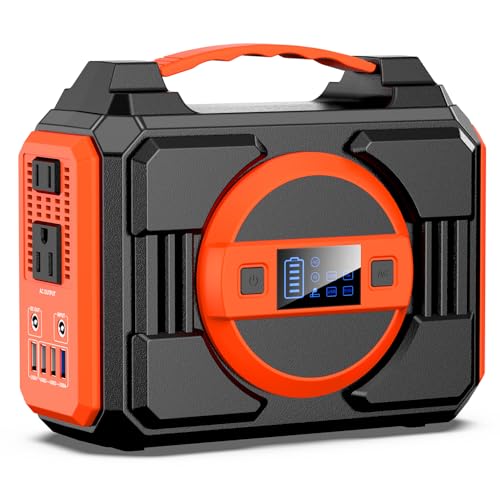
The Apowking model centers on enhanced capacity in a compact shell. It combines a 220Wh/60000mAh Li-ion battery with seven outputs, including two 110V AC outlets (Pure Sine Wave) and several USB and DC ports. This design supports simultaneous charging of multiple devices up to 300W total output (600W peak). Best for home backup, camping, and light RV trips where multi-device charging matters. A key limitation is the lack of included solar panel; recharging can be done via wall or car adapter, with solar recharge as an optional expansion.
Who it’s best for: buyers who need a portable, all-purpose power hub that can run multiple small appliances and electronics at once. Why selected: high-output capacity with diverse ports in a compact form. Caution: ensure total continuous draw stays within the 300W rating to avoid overloading the unit.
DaranEner 192Wh LiFePO4 Power Station

This unit emphasizes LiFePO4 chemistry for long life and safety, offering 192Wh of capacity with a robust 300W continuous output and a 600W surge. It includes USB-C PD at 60W for fast device charging and multiple charging options, including AC wall, car, and solar with an MPPT controller. Best for off-grid travelers who value long-cycle life and efficient solar charging. Limitation: not suited for high-watt appliances such as rice cookers or hair dryers, due to the 300W ceiling.
Who it’s best for: campers and outdoor enthusiasts who prioritize battery longevity and safe, efficient solar charging. Why selected: LiFePO4 cells extend life and resilience, ideal for repeated outdoor use. Caution: solar panel not included and may require additional accessories.
ZeroKor 300W Portable Power Station

ZeroKor’s model features 256Wh with a broad port mix: 2x AC outlets, DC, multiple USB ports, and QC fast charging. It supports solar panel optional charging and car charging, with built-in MPPT to optimize solar intake. This unit is well-suited for hikers, campers, and RV users who want a lighter unit with flexible recharge options. Caution: continuous loads above 300W can harm performance or shorten runtime, and some outlets require manual activation.
Who it’s best for: outdoor users needing a lightweight, flexible power station for essential devices. Why selected: strong port assortment and solar-ready capability in a compact frame. Caution: avoid high-watt appliances or devices with high startup surges.
Jackery Explorer 300

Jackery Explorer 300 delivers a compact LiFePO4 battery with 292Wh capacity, designed for reliable off-grid power. It provides two AC outlets, a 100W USB-C PD port, USB-A ports, and a car port. The unit is built for durability, offering thousands of charge cycles and a lighter weight for easy transport. Best for long-term off-grid use with solar compatibility when paired with panels. Limitation: higher upfront cost relative to some rival units.
Who it’s best for: travelers and campers seeking a durable, long-life battery with strong solar compatibility. Why selected: true LiFePO4 chemistry, solid rugged design, and long cycle life. Caution: ensure you have suitable solar panels if you plan to stay off-grid for extended periods.
ALLWEI 300W LiFePO4 Portable Power Station
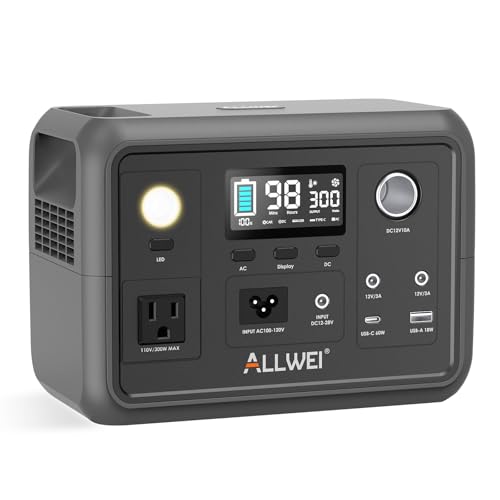
ALLWEI offers a 256Wh LiFePO4 battery with 300W continuous power and 600W peak, plus six ports for versatile charging. Its LiFePO4 chemistry means long cycle life and robust protection via a multi-layer BMS, supporting safe charging and discharging. Best for families and adventurers who need multiple outputs and long life. Limitation: solar panel not included, and some users may want a higher energy capacity for longer outages.
Who it’s best for: households and outdoor users who want dependable, multi-device charging with a long-lasting battery. Why selected: 6-port versatility and durable LiFePO4 cells. Caution: confirm you have solar or AC charging options to suit your usage pattern.
Buying Guide: What to Consider Before You Buy a 300W Power Station
- Battery chemistry and life: LiFePO4 cells offer longer cycle life and safety than standard Li-ion, helping the unit endure frequent charging cycles.
- Power output vs. device needs: 300W continuous output supports most laptops, TVs, and small appliances, but high-startup loads (like hair dryers) may trip the unit.
- Port variety: look for a mix of AC, USB-C PD, USB-A, and DC outputs to cover phones, laptops, cameras, and small household devices.
- Recharge options: consider wall AC charging, car charging, and solar panel compatibility. An MPPT controller improves solar charging efficiency.
- Portability: weight and handle design affect travel-friendly use. LiFePO4 units tend to be heavier but longer lasting; some models balance weight with capacity well.
- Solar readiness: if you plan off-grid use, confirm solar panel compatibility, included cable types, and maximum solar input.
- Protection features: a smart BMS with protections against overcharge, short circuits, and overheating increases reliability in outdoor environments.
Frequently Asked Questions
- What is the difference between LiFePO4 and Li-ion in power stations?
LiFePO4 offers longer life cycles and safety at a similar weight, while Li-ion packs can be lighter but wear faster. - Can I use a 300W power station to run a high-watt appliance?
Most will not support constantly running devices above 300W; check the peak vs continuous rating and the appliance’s startup surge. - Do these power stations require solar panels to charge?
Solar charging is optional on many models; panels must be compatible and may be sold separately. - How many devices can I charge at once?
It depends on the total draw. Look for models with multiple ports and clearly stated total continuous power. - Are these good backups for home outages?
Yes, for essential devices like phones, lights, and small electronics, especially when paired with solar or car charging. - Is the camping use safe with LiFePO4 stations?
Yes, because LiFePO4 chemistry provides stable chemistry and effective thermal management under typical outdoor conditions.