When you need to cut through metal, straps, or sheet material, a reliable 3 cut off tool is essential. This guide highlights five top options, ranging from corded powerhouses to cordless, lightweight models. It’s ideal for auto body repairs, metal fabrication, and home DIY tasks. The best choice depends on your needs: corded for continuous power, brushless for efficiency, and cordless for portability.
Summary of selected products
| Product | Best For | Key Benefit |
|---|---|---|
| Genesis GCOT335 3.5-Amp 3-In. High-Speed Cutoff Tool | Budget auto repair | Solid power, fast cutting |
| DEWALT 20V MAX XR Cut Off Tool (DCS438B) | Versatile cordless work | Brushless efficiency, bright LED |
| SHALL 3 Inch High-Speed Cut Off Tool | Heavy cutting tasks | High RPM, robust motor |
| 3″ Brushless Cordless Cut-Off Tool (DeWalt 20V Max compatible) | Lightweight cordless jobs | Brushless power, safety features |
| TEENO Cordless Angle Grinder Kit | All-in-one cordless versatility | Dual batteries, 19,500 RPM |
Genesis GCOT335 3.5-Amp Cutoff Tool

The Genesis GCOT335 offers a practical option for auto body work and quick metal cutting. It features a robust 3.5-amp motor and a no-load speed of 24,000 RPM, enabling fast material removal on straps, hangers, exhaust components, sheet metal, and pipes. This tool is best for hobbyists and professionals needing reliable, budget-friendly performance for typical automotive cut-offs.
Best for: value-focused auto body repairs and garage projects. Why selected: reliable power at a low price point with straightforward operation. Caution: continuous heavy use may require pauses to prevent overheating.
DEWALT 20V MAX XR Cut Off Tool (DCS438B)

This DEWALT model brings cordless versatility with a brushless motor and 550 MWO, making it capable of handling a wide range of materials. It includes multiple wheel options—Bonded Abrasive, Diamond Multi-Material, and Diamond Tile wheels—so you can tackle metal, tile, and other tough materials. An onboard LED helps illuminate dark work areas for precise cuts. This option suits professionals who value battery-powered flexibility.
Best for: professionals needing cordless operation and diverse wheel compatibility. Why selected: strong motor, practical attachments, and bright lighting for challenging tasks. Caution: cordless operation depends on battery availability and charge level.
SHALL 3 Inch High-Speed Cut Off Tool
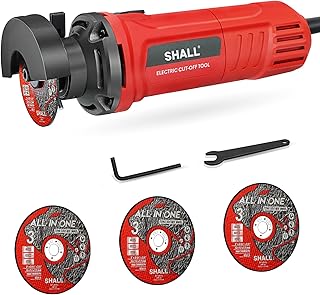
The SHALL 3 Inch High-Speed Cut Off Tool is a compact metal cutter with a 3.5-amp motor and up to 24,000 RPM. It’s designed for fast metal cutting in tight spaces and features a double insulation structure for safety. Buyers should budget 15 minutes of rest after 15 minutes of use to extend service life. This model is better for frequent, quick cuts in metal when space is limited.
Best for: tight spaces and metal cutting in automotive settings. Why selected: strong speed, compact design, and safety features. Caution: avoid prolonged continuous use to prevent overheating.
3-Inch Brushless Cordless Cut-Off Tool (DeWalt 20V Max Compatible)

This cordless cut-off tool uses a 20V brushless motor for higher efficiency and longer life. It delivers 20,000 RPM no-load speed and includes a bright LED for dark work areas. Its chip-level protection helps prevent battery over-discharge, extending battery life. It’s best for users who need a compact, portable option with smart safety features.
Best for: portable, battery-powered cutting on metal and tile tasks. Why selected: high RPM, LED visibility, and battery protection features. Caution: battery not included; performance depends on battery quality and charge.
TEENO Cordless Angle Grinder Kit

The TEENO Kit provides 16.8V cordless power with two 2000mAh batteries and six cutting discs. It reaches 19,500 RPM and offers multiple blade options for metal, wood, and tile work. The lightweight design and ergonomic grip support comfortable one-handed use, making it a good choice for indoor DIY projects and quick metal cutting on the go.
Best for: all-in-one cordless solution for diverse tasks. Why selected: dual batteries, variety of blades, and portable operation. Caution: ensure spare batteries are charged to avoid downtime during projects.
Buying Guide: Key Considerations for 3 Cut Off Tools
- Power source: Choose corded for continuous power or cordless for portability. Corded units maintain consistent speed, while cordless models offer mobility for overhead or cramped spaces.
- Motor type: Brushless motors (where listed) typically deliver longer life and efficiency compared to brushed models, especially under heavy use.
- RPM and wheel compatibility: Look for higher no-load RPM for faster cuts, and verify the included wheels suit the materials you plan to cut (metal, tile, or composites).
- Safety features: Double insulation, dust covers, and LED work lights improve safety and precision in dim areas.
- Weight and ergonomics: A lighter tool with a comfortable grip reduces user fatigue during longer jobs.
- Battery management: For cordless tools, consider battery capacity, charging time, and whether spares are included or available separately.
Frequently Asked Questions
- What is the difference between a cutoff tool and a grinder?
Answer: Cutoff tools are designed for rapid metal removal and precision cuts with thin wheels, while grinders are generally heavier and used for broader material shaping and finishing. - Is a brushless motor worth it for a cutoff tool?
Answer: Yes, brushless motors typically offer higher efficiency, cooler operation, and longer life, especially under frequent cutting tasks. - Which accessory wheels are best for metal cutting?
Answer: Bonded abrasive wheels and diamond wheels are common for metal; tiles may use diamond tile wheels as specified by the tool’s accessories. - Do cordless cutoff tools require special batteries?
Answer: Most cordless tools use standard batteries from the same brand family; check compatibility and ensure you have spare batteries if you work away from outlets. - How should I prevent overheating during cuts?
Answer: Allow the tool to rest during extended use, use the correct wheel size and type, and avoid forcing the tool through material; follow manufacturer guidelines for duty cycles.