Choosing a reliable 240-volt portable generator ensures you have essential power during outages, peak camping trips, or on the road with a transfer switch-ready setup. The selections below emphasize dual- or tri-fuel capabilities, electric start options, and 120V/240V versatility to support transfer switches, RV hookups, and sensitive electronics. All featured models offer robust power output, portability, and built-in safety features to help maintain steady performance in American environments.
| Product | Brand | Watt Range | Fuel | Key Feature |
|---|---|---|---|---|
| WEN DF475T | WEN | 3800 running / 4750 surge (gas); 3500 running / 4350 surge (propane) | Gasoline / Propane | 120V/240V selector, Electric start |
| WEN DF680iX | WEN | 5100 running / 6800 surge (gas); 4500 running / 6000 surge (propane) | Gasoline / Propane | Bonded-neutral 240V, CO watchdog sensor |
| Westinghouse 12500W | Westinghouse | 8500 running / 12500 peak (propane); 9500 running / 12500 peak (gas) | Gasoline / Propane | Remote start, multiple outlets, VFT-like display |
| WEN DF1100T | WEN | 8300 running / 11000 surge (gas); 7500 running / 9500 surge (propane) | Gasoline / Propane | 120V/240V, wheel kit, electric start |
| TF1450 | WEN | 11500 running / 14500 surge (gas); 10300 running / 12500 surge (propane); 8750 running (natural gas) | Gasoline / Propane / Natural Gas | Tri-fuel, transfer-switch ready |
WEN 4,750-Watt Dual Fuel Generator With Electric Start

The WEN DF475T offers a versatile 240-volt option ideal for small backup setups and transfer switches. It accommodates gasoline and propane fuels, switching fuel types with a simple dial. The 224cc OHV engine provides reliable power, and the electric start offers quick operation. The 120V/240V selector enables easy integration with home backup systems and RV setups, while a wheel kit enhances portability during outages or camping trips.
WEN 6,800-Watt Dual Fuel RV-Ready Inverter Generator

Designed for high-demand scenarios, the WEN DF680iX blends dual-fuel power with a bonded-neutral 240V configuration that supports Level 2 charging for electric vehicles and battery systems. The CO watchdog sensor adds a safety layer by monitoring carbon monoxide levels. This model is suitable for home backup and RV use where robust power and responsible emissions monitoring matter most.
Westinghouse 12,500 Watt Dual Fuel Portable Generator

Westinghouse pairs serious power with comprehensive outlet options and a long-running fuel tank. The 12,500-watt peak capability suits larger homes, workshops, or on-site operations where sustained 240V power is needed. Remote start and a durable OHV engine contribute to reliable performance during extended outages or remote work scenarios.
WEN 11,000-Watt Dual Fuel Generator With Electric Start
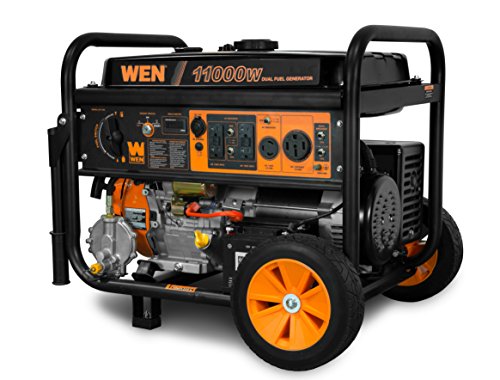
The DF1100T provides substantial 120V/240V capabilities and dual-fuel flexibility, making it a solid choice for larger households or job sites requiring steady 240V power alongside robust 120V outlets. Electric start simplifies operation, and the included wheel kit supports easier mobility for frequent relocation during outages or outdoor work.
WEN 14,500-Watt Tri-Fuel Generator

The TF1450 stands out with tri-fuel capability (gasoline, propane, natural gas) and transfer-switch readiness. It operates at 120V and 240V, providing substantial peak and running watts for critical equipment, appliances, and climate control during extended outages or heavy-duty RV trips. Electric start plus wheel kit ensures ease of use in varying environments.
Westinghouse 6,500 Watt Dual Fuel Backup Generator
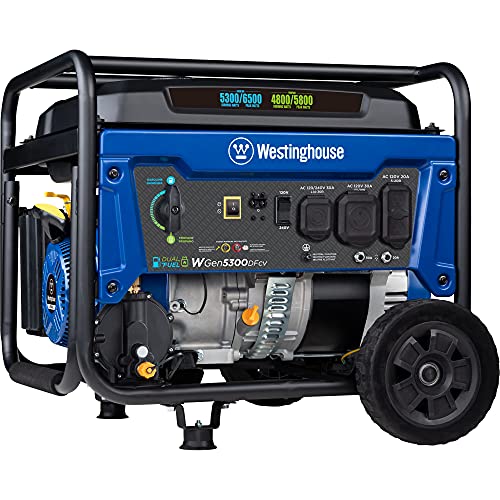
With dual-fuel versatility and transfer-switch-ready outlets, this model is well-suited for mid-size backup needs. A compact fuel capacity, 14% 30A-ready options, and safety-focused features provide a balanced option for homeowners seeking steady, controllable power in emergencies and outdoor work settings.
Buying Guide: Key Purchase Considerations And Comparisons
When selecting a 240-volt portable generator, consider the following factors to align with your needs:
- Power output and peak demand: Determine the running watts you need for essential appliances and the surge watts required for startup loads. For RV use, ensure the unit supports RV-ready outlets and a transfer switch if needed.
- Fuel type and efficiency: Dual-fuel models offer flexibility during shortages, but propane and natural gas generally have different energy densities and availability. Consider fuel storage, tank size, and run-time expectations.
- Electric start and convenience: An electric start saves time and effort during outages or field use, while manual recoil starts provide redundancy in case of battery failure.
- Safety features: Look for CO sensors, low-oil shutdown, proper grounding (bonded-neutral 240V where applicable), and rubber-outlet covers to protect against moisture and dust.
- Portability and durability: Wheel kits, handle design, and overall build quality affect usability in homes, campsites, and job sites.
- Transfer-switch readiness: If you plan to power a home electrical panel, ensure compatibility with a transfer switch and consider the number and type of outlets provided.
- Noise levels and emissions: In residential areas, quieter operation reduces neighbor disturbances. CO sensors enhance safety in enclosed spaces.
- Maintenance and spare parts: Check for readily available replacement parts, oil type requirements, and user serviceability to prolong life and reliability.
Across the selections, users can compare power ranges, fuel flexibility, and additional safety or convenience features. For many homeowners, a mid-to-large dual- or tri-fuel generator with 120V/240V capabilities strikes a balance between affordability, performance, and future-proofing for transfer switches and RV usage.