For reliable off-grid power, a 200W portable power station offers a compact, versatile solution for camping, travel, and emergency backup. This guide highlights five solid options, explains who each is best for, and shows how to compare outputs, charging options, and portability. Whether you’re powering a CPAP, charging multiple devices, or running small appliances, these models balance capacity, weight, and price. The top picks are chosen for users who want dependable, mid-range power without lugging heavy batteries.
Comparison Snapshot Of Top 5 200W Portable Power Stations
| Product | Brand | Approx. Capacity | Key Outlets | Best For |
|---|---|---|---|---|
| MARBERO 200W Portable Power Station | MARBERO | ~148Wh | AC Outlets, USB QC3.0, USB-C PD, DC | CPAP, camping, home backup |
| FF Flashfish 40800mAh | FF FLASHFISH | 151Wh | AC, DC, USB QC3.0, USB | travel, outdoor use |
| ArkPax Portable Power Station 300W | Arkpax | 192Wh | 2 AC, USB-C PD, USB-A, DC | camping, emergencies |
| Powkey Portable Power Station 200W | powkey | 146Wh | 2 AC, 4 USB, DC | camping, multitask charging |
| Jackery Explorer 300 | Jackery | 292Wh | 2 AC, USB-C PD, USB-A, car | outdoors, long trips |
MARBERO 200W Portable Power Station

The MARBERO M822 power station combines a compact 148Wh capacity with 200W continuous output (270W peak). It provides 2 USB A QC3.0 ports, a USB-C PD port, 2 AC outlets, and a DC input for versatile charging. The device supports pass-through charging and is designed for a range of devices from phones to CPAP machines. It is best for campers or home users who need a lightweight backup with multiple port options. Caution: The unit’s AC power ceiling is 200W, so avoid high-wattage appliances like hair dryers or coffee makers.
FF Flashfish 40800mAh Portable Power Station
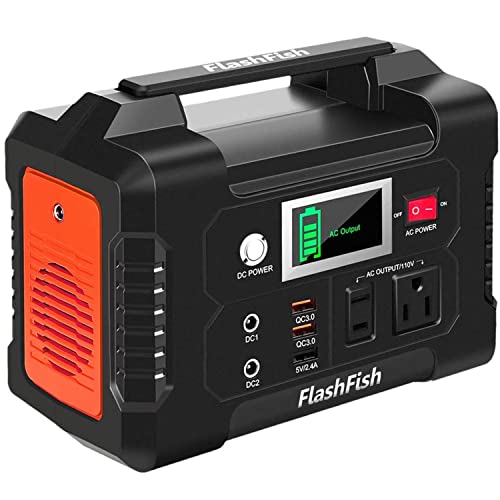
FF Flashfish offers a 151Wh capacity with a 200W AC output, plus multiple outputs including DC ports and USB ports. It is notably lightweight at just over 4 pounds and includes an LCD display to monitor remaining power and output status. This model is best for day trips, light camping, and backup power for essential devices. Choose this if you want a straightforward setup with clear monitoring. Limitation: The 200W limit means it won’t run higher-wattage appliances for long periods.
ArkPax Portable Power Station 300W

ArkPax delivers 192Wh with the ability to sustain up to 300W continuous output (600W peak) across 2 AC outlets plus USB-C PD, USB-A, and DC ports. It’s designed for camping, travel, and home backup where multiple devices need power, including CPAP and laptops. This model is best for users who need more robust AC capability than smaller 150Wh units. Limitation: Not ideal for high-watt appliances like hair dryers or instant-heating devices.
Powkey Portable Power Station 200W

Powkey provides 146Wh capacity with 200W maximum output, featuring 2 AC outlets, 4 USB ports, and a DC port. This setup supports simultaneous charging of multiple devices, making it suitable for short trips, camping, and as a compact home power backup. Best for users who want strong multi-port versatility in a compact footprint. Caution: Ensure individual device wattage stays below 200W, especially for startup surges.
Jackery Explorer 300

Jackery Explorer 300 offers 292Wh with LiFePO4 cells, two AC outlets, a 100W USB-C PD port, USB-A, and a car port. It’s a strong option for longer trips or more demanding devices, providing a balance of capacity and portability. Best for users who want proven, lightweight reliability with solid longevity and a strong ecosystem of solar and accessories. Limitation: Higher capacity may come with a heavier weight than smaller units.
Buying Guide — Key Purchase Considerations
What capacity do you really need?
Choose capacity based on intended use. For CPAP or overnight camping, 150–200Wh can cover essentials. For laptop charging or longer trips, 250–300Wh provides more runtime. Note that real-world runtime depends on device wattage and start‑up surges.
Which outlets are essential?
Identify device needs: If you rely on USB-C PD for laptops or tablets, verify PD support. If you need AC outlets for home appliances, confirm wattage ratings. Some models offer more USB ports than AC outlets, which suits small-device use better.
Charging options and speed
Look for multiple recharging methods: AC wall charging, car charging, and solar input. MPPT solar charging is advantageous for outdoor use. Consider how quickly you need the unit recharged in off-grid situations.
Portability and weight
Consider the device weight and handle design. Lighter models ease transport on hikes or road trips, while heavier models typically offer more capacity and more robust outlets.
Safety and longevity
LiFePO4 chemistries offer longer cycle life and better thermal stability than some alternatives. Check for protection features like overcharge, short-circuit, and temperature safeguards to ensure safe operation.
Which model fits your use case?
• Camping and CPAP backups: MARBERO or ArkPax for balanced outputs and portability.
• Light backpacking and day trips: FF Flashfish with simple controls and LCD readout.
• Multi-device charging on the road: Powkey or Jackery Explorer 300 for multiple ports and higher capacity.
FAQ
- What wattage should I look for in a portable power station? Look for models that meet or exceed your typical device wattage needs, with some headroom for startup surges.
- Can these power stations run a CPAP machine? Yes, many 150–300Wh units can power CPAP devices for several hours, depending on the machine’s draw.
- What is pass-through charging? Pass-through charging allows you to draw power from the unit while it’s being charged.
- Are LiFePO4 batteries better? LiFePO4 batteries offer longer life cycles and improved safety for extended use and storage.
- How do I choose between AC outlets and USB-C PD? If you mostly charge USB-C devices like laptops or tablets, prioritize a PD port; for larger appliances, ensure sufficient AC outlets and wattage.
- Is solar charging worth it? Solar charging adds flexibility for off-grid use, especially when you already own solar panels or plan to camp away from power sources.