When dealing with seized, stripped, or damaged bolts and nuts, the right 18mm bolt extractor socket makes removal safer and faster. This guide highlights five highly capable options and explains who benefits most from each. Whether you’re a DIYer, automotive enthusiast, or professional mechanic, these picks are chosen for reliability, grip, and durability in tough removal jobs.
Product Snapshot
- Topec 18MM Deep Lug Nut Extractor Socket — 1/2″ Drive
- Williams TS51709 1/2 Drive Turbo Socket, 18mm
- XEWEA 14PCS 3/8″ Drive Impact Bolt Nut Extractor Set
- DPTOOL Lug Nut Extractor Set — Wheel Lock Removal Kit
- Yuesstloo 22 Pcs Bolt Nut Extractor Set — 1/2″ and 3/8″ Drive
The following sections break down each product, explaining who it’s best for, why it stands out, and any important caveats. A buying guide and quick FAQs follow to help you compare options at a glance.
Topec 18MM Deep Lug Nut Extractor Socket

The 2.6″ extended length tackles deeply recessed or seized lug nuts that shorter extractors miss. Made from high hardness chrome-molybdenum steel with black phosphate coating for durability, it uses reverse spiral grooves to minimize slippage and maximize torque for stripped, rounded, or broken fasteners. This tool is best for heavy-duty automotive repairs and stubborn lug nut removals. Caution: use with appropriate torque and avoid applying side loading that could shear the tool or fastener.
Williams TS51709 1/2 Drive Turbo Socket, 18mm
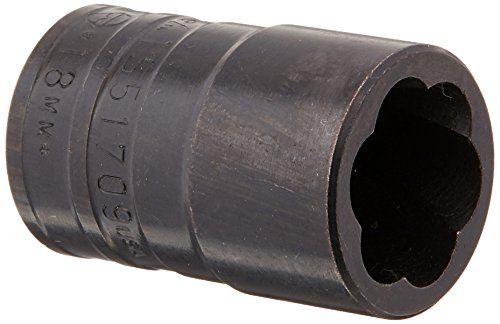
This 18mm turbo socket is focused on quick removal of damaged or rounded fasteners. It’s ideal for salvage operations and when you need to finish a job fast using a ratchet, breaker bar, or T-handle. The socket’s grip tightens as torque increases, making it a better choice for repeated use on stubborn hardware. Best for: quick, high-torque extractions in salvage or repair contexts. Limitation: may be less effective on deeply recessed bolts than longer designs.
XEWEA 14PCS 3/8″ Drive Impact Bolt Nut Extractor Set

Durable chrome-molybdenum steel construction supports high-torque repairs and handles rusted, rounded, or damaged bolts. It features an internal thread with reverse spiral flutes that bite down for maximum grip, and the 3/8″ drive connects directly to impact wrenches and ratchets for efficient torque transfer. Best for: professionals or serious DIYers who want a compact set with strong bite. Caution: ensure the bit size matches the fastener to prevent stripping the socket or fastener.
DPTOOL Lug Nut Extractor Set

This set targets stripped, damaged, frozen, rusted, and rounded bolts. It uses internal threading and reverse spiral grooves to maximize grip and minimize knuckle cracking as you turn. Made from chrome molybdenum steel with black oxidation, it’s built to withstand corrosion and heavy use. Best for: versatile removal across standard bolts and nuts. Caution: not optimized for very deep applications.
Yuesstloo 22 Pcs Bolt Nut Extractor Set

This comprehensive set provides both 1/2″ and 3/8″ drive options with sizes that cover a wide range of bolts and wheel lock scenarios. It uses reverse spiral flutes to grip tightly as you turn, aiming to reduce slippage and protect fasteners. Best for: kits that need broad size coverage for diverse jobs. Caution: the larger sets can be heavy to transport and store.
Buying Guide
- What drive size do you need? Consider 3/8″ or 1/2″ drives based on your tool arsenal and typical torque requirements. Direct-drive sockets reduce adaptor loss and improve control.
- Material and finish matter. Look for chrome-molybdenum steel with corrosion-resistant coatings for longevity under high torque and harsh conditions.
- Grip design and spike pattern. Reverse spiral flutes provide better bite and prevent slipping when removing difficult fasteners.
- Depth and reach. Deep sockets reach recessed nuts; standard lengths suit most wheel lug and exterior hardware jobs. If you encounter deeply recessed bolts, a longer extractor may be necessary.
- Set versus single socket. Sets offer versatility for different bolt sizes and drives, while single sockets are ideal for targeted tasks.
Practical tips for choosing
- Match the tool to the bolt type: wheel lug nuts, damaged fasteners, and seized bolts all require slightly different design considerations.
- Pair with appropriate hand tools: ratchets, breaker bars, and T-handles can influence extraction success and safety.
- Inspect markings. Look for laser-etched size labels for quick identification during a project.
Quick comparison at a glance
| Product | Best For | Key Benefit | Notable Limitation |
|---|---|---|---|
| Topec 18MM Deep Lug Nut Extractor | Deeply recessed lug nuts | Extended length for hard-to-reach fasteners | Higher torque may require careful handling |
| Williams TS51709 18mm | Salvage and quick removals | Grip tightens with torque | May be less effective on very deep bolts |
| XEWEA 14PCS 3/8″ Drive | High-torque repairs | Direct drive connections | Smaller drive may limit leverage for some jobs |
| DPTOOL Lug Nut Extractor | Standard bolt removal | Professional bite design | Not ideal for very deep applications |
| Yuesstloo 22 Pcs | Broad range of sizes | Comprehensive set | Heavier to carry |
FAQ
- What is an 18mm bolt extractor socket used for?
It’s designed to grip and remove bolts or nuts with approximately 18mm heads that are damaged, seized, or stripped, often where standard sockets fail.
- Should I choose a longer extractor for deep-set fasteners?
Yes. Longer design helps reach recessed bolts that shorter extractors cannot access safely.
- Is a direct-drive set better than a multi-piece kit?
Direct-drive sets reduce adapters and improve torque transfer, but a kit offers broader size coverage for various jobs.
- What maintenance helps extend extractor life?
Keep tools clean, dry, and lightly lubricated; avoid using them as prying tools and inspect for cracks before use.
- Can I use these tools on wheel lock bolts?
Some sets include wheel lock removal capabilities; verify compatibility with your wheel lock types before use.
- Do these tools require impact drivers?
Many are designed to work with impact wrenches or breakers; check the product specs to confirm compatibility with your tool.