If you’re shopping for a 12-inch metal-cutting blade for a miter saw, you want options that deliver fast, clean cuts on ferrous and non–ferrous metals without overheating. This guide highlights five top blades, clarifying who each is best for and why. It targets DIY homeowners, hobbyists, and professionals seeking reliable, long-lasting performance. A quick summary table follows to compare core traits at a glance.
| Product | Best For | Material Focus | Kerf/Arbor |
|---|---|---|---|
| TOMAX 12-Inch 100 Tooth | Fine finish on aluminum and non-ferrous metals | Non-ferrous metals, aluminum, plastic | 1-inch arbor |
| TOMAX 12 Inch 60 Tooth | General ferrous metal cutting | Mild steel, steel profiles | 1-inch arbor |
| FOXBC 12 Inch 96-Tooth | Thin metals and plastics with low vibration | Aluminum, non-ferrous metals, plastic | 1-inch arbor |
| IVY Classic 40106 Swift Cut | Safer cut on ferrous metal for chop saws | Ferrous metal | 1-inch arbor |
| TWIN-TOWN 12-Inch 60 Teeth | Durable, long-life metal cutting | Steel and ferrous metals | 1-inch arbor |
TOMAX 12-Inch 100 Tooth TCG Aluminum and Non-Ferrous Metal Blade
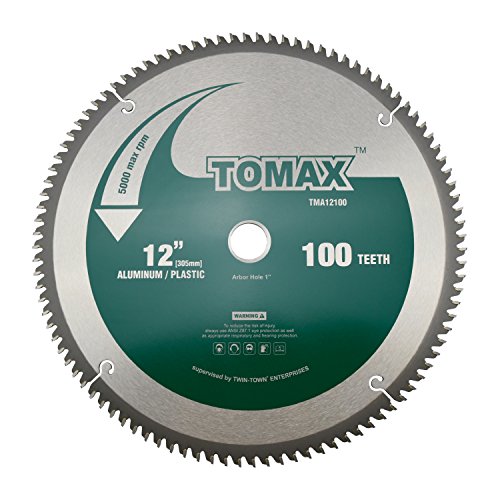
The 100-tooth design with a TCG (triangular grind carbide) configuration delivers smoother cuts in aluminum, non-ferrous metals, and plastics. Ideal for delicate metal parts or projects requiring clean, burr-free edges. Constructed with an electrophoretic coating to resist rust and corrosion, this blade suits frequent users who want longer blade life and lower maintenance. Best for precision cuts on thin sections and softer metals.
Who it’s best for: small shop owners and hobbyists cutting aluminum extrusion, non-ferrous sheet metal, or plastic components. Why chosen: its high tooth count yields fine finishes and reduced tear-out. Caution: slower feed rates may be needed on thicker ferrous stock to avoid heat buildup.
TOMAX 12 Inch 60 Tooth Industrial Level Steel and Ferrous Metal Blade
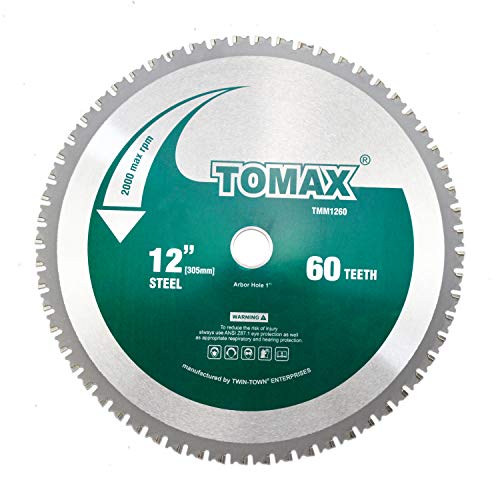
This blade uses cermet teeth for extended life compared to traditional abrasive discs and provides higher heat tolerance for cooler cutting. It’s designed for a broad range of ferrous materials, including mild steel profiles, pipes, channels, and solid bars. Best for professional or shop settings where continuous steel cutting occurs, and you need durability and consistent performance.
Who it’s best for: professionals cutting steel builds or metal framing. Why chosen: cermet teeth offer longer life in metal cutting and milder heat output. Caution: not ideal for very hard alloys or non-ferrous metals where finer finishes are essential.
FOXBC 12 Inch 96-Tooth TCG Aluminum and Non-Ferrous Blade

With 96 teeth and a thin kerf, this blade targets aluminum and non-ferrous metal cutting with reduced resistance and smoother finishes. Laser-cut stabilizer vents minimize noise and vibration, supporting accuracy and blade longevity. This is a strong choice when a quiet, precise cut is needed in thinner sections.
Who it’s best for: installers and fabricators cutting aluminum sheet or light non-ferrous components where vibration matters. Why chosen: vibration reduction helps accuracy on longer cuts. Caution: best used within its thin kerf range for optimal results; heavy steel may require a different blade.
IVY Classic 40106 Swift Cut 12-Inch Blade
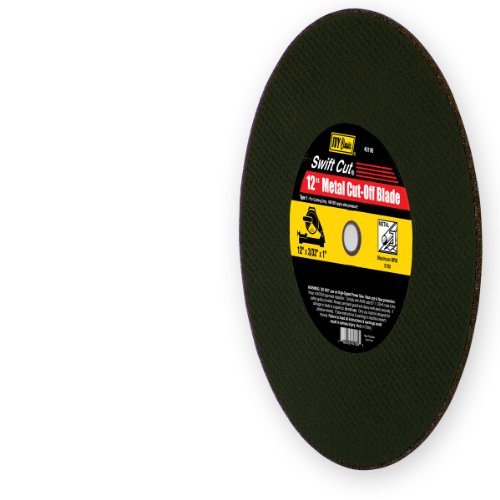
Swift Cut is designed for metal cutting with steel and other ferrous metals in mind. It features resin-bonded aluminum-oxide grain for faster cutting and a robust fiberglass-reinforced blade body for safety and durability. Best for chop saw use where strict containment of metal debris is important and you need a stable, fast cut.
Who it’s best for: metal workers using a chop saw for ferrous metal cutting in a workshop. Why chosen: reinforced blade construction improves safety and longevity. Caution: not recommended for high-speed or heavy-duty non-ferrous cutting where specialized blades excel.
TWIN-TOWN 12-Inch 60 Teeth Cermet Blade

This blade represents a newer generation of cermet materials, blending ceramic and metal tips for cooler cuts and longer life. It’s suitable for a wide variety of mild steel profiles and metal sections. Laser-cut stabilizer vents help trap noise and vibration, maintaining performance and reducing blade warp.
Who it’s best for: shops needing durable blades for ongoing steel cutting. Why chosen: cermet tips offer extended life and cooler operation, aiding productivity. Caution: may not be the best choice for very hard or exotic alloys where specialized tooling is preferred.
Buying Guide: Key Considerations for 12-Inch Metal Cutting Blades
- Material compatibility: Choose blades clearly labeled for ferrous, non-ferrous, or mixed metal cutting to match your stock. Non-ferrous blades excel on aluminum and light metals, while ferrous blades handle steel and thicker stock.
- Tooth design and count: Higher tooth counts (like 96T) yield finer finishes and are better for thin metals; lower counts (like 60T) cut faster on thicker stock but may leave rougher edges. Consider your finish requirements.
- Kerf and stability: Thin-kerf blades reduce waste and require less power, but can be more sensitive to deflection. Stabilizer vents help manage heat and vibration, improving accuracy and blade life.
- Arbor compatibility: All products shown use a 1-inch arbor. Confirm your miter saw accepts this arbor size before purchase.
- Coatings and durability: Electrophoretic coatings resist rust; carbide teeth provide wear resistance. These features extend blade life in demanding environments.
- Application notes: Some blades are designed for chop saws or cold-cutting operations, while others target precision finishes on cut edges. Match your tool type and project needs.
Frequently Asked Questions
- What blade is best for cutting aluminum on a miter saw?
– Blades with a higher tooth count and non-ferrous compatibility, such as the 100T aluminum-focused options, provide cleaner cuts in aluminum and non-ferrous metals. - Can I use a ferrous metal blade on non-ferrous metal?
– It’s possible but may wear the blade faster and leave rougher edges; use a blade designed for non-ferrous metals for best results. - Is a thinner kerf blade better for miter saws?
– Yes, it reduces material waste and requires less power, but can be less stable on very thick stock. Pair with stabilizers if available. - Do carbide blades last longer than high-speed steel blades?
– Carbide-tipped blades generally last longer in metal cutting due to wear resistance, especially under heavy use. - Should I choose a blade with a coating?
– Coatings like electrophoretic rust-resistance help extend blade life in humid or corrosive environments. - What safety considerations apply?
– Always wear eye and hearing protection, ensure the blade is properly mounted, and follow tool manufacturer safety guidelines for high-speed metal cutting.